What it measures
Folate is vitamin B9, needed to make red blood cells and DNA. The usual test measures folate in serum, which reflects intake over recent days and weeks more than long-term stores.
Why people test it
- Checked when a blood count shows anaemia or large red blood cells, often together with B12.
- Measured with a limited diet, high alcohol intake or gut conditions such as coeliac disease.
- Checked in people on medicines that affect folate, such as methotrexate or some anti-epileptic drugs.
Typical range
Ranges vary between labs with the method used, age and sex, and your report shows the lab's own range. One NHS trust's lab uses 5.4 to 24.0 µg/L for adults. Source: Leeds Teaching Hospitals NHS Trust: Blood Sciences Reference Range Database v3.20.
Finger-prick or vein?
A finger-prick sample is usually fine. Red blood cells hold much more folate than serum, so a sample that breaks down (haemolyses) can read falsely high.
Serum folate reflects recent intake, so a meal or supplement shortly before the sample can raise the result.
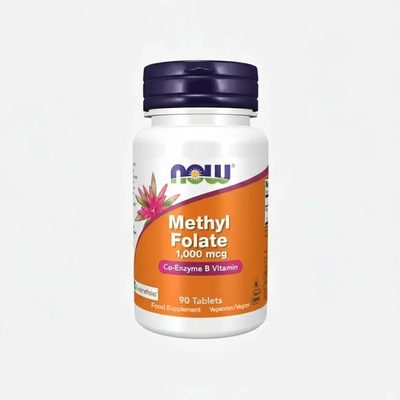

 · 90 tablets · 90 servings · 1 mg a serving